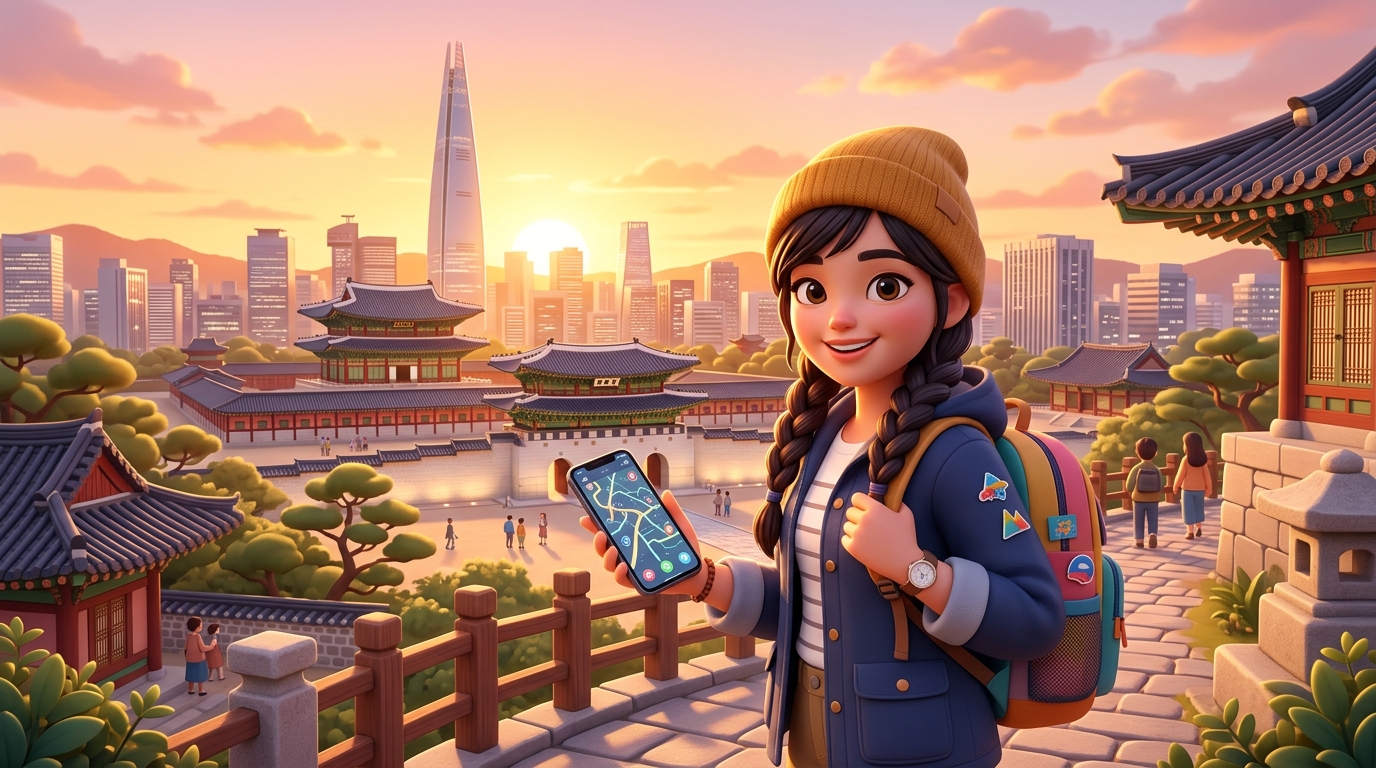
1. Discovering Seoul's Secret Gems: Why 2026 Is the Ultimate Year for Global Travelers
Visiting Seoul in 2026 offers an unprecedented blend of century-old Korean heritage and futuristic modern infrastructure designed for seamless international travel. While legendary landmarks like Namsan Seoul Tower and Gyeongbokgung Palace remain timeless icons, modern global travelers are increasingly searching for unique, immersive cultural experiences away from overcrowded tourist hot spots. Seoul's urban development has unlocked quieter historical neighborhoods, regenerated green eco-parks along the Han River, and introduced comprehensive digital transit passes tailored specifically for foreign tourists. Navigating this dynamic metropolis is easier than ever, thanks to expanded multilingual signage, contact-free payment integration across all public transportation lines, and widespread high-speed Wi-Fi coverage. Whether you are wandering through serene hanok alleys in Seochon, enjoying traditional teas in Insadong, or exploring eco-friendly urban forests in Seongsu-dong, preparing an updated itinerary with official travel guidelines ensures a stress-free trip. Understanding local customs, transit card options, and seasonal highlights will maximize your time and budget while experiencing the rich cultural depth of South Korea's capital.
2. Top 10 Must-Visit Attractions & Hidden Cultural Alleys in Seoul
To truly appreciate the multi-layered charm of Seoul, combining famous UNESCO-listed architecture with lesser-known neighborhood gems is highly recommended. Gyeongbokgung Palace stands as the grand centerpiece of Joseon Dynasty architecture, where visitors wearing traditional Hanbok attire receive free admission while witnessing the historic Royal Guard Changing Ceremony. Just west of the palace lies Seochon, a charming neighborhood filled with historic hanok houses, indie art galleries, traditional bakeries, and quiet tea houses that offer an authentic glimpse into local daily life without the heavy commercial foot traffic of Bukchon. Meanwhile, Ikseon-dong presents a trendy fusion of retro hanok cafes and artisan craft shops, perfect for afternoon exploration and photo opportunities. For nature enthusiasts and urban walkers, Seoul Forest Park and the restored Cheonggyecheon Stream offer peaceful green retreats right in the center of the bustling city. Visiting these locations during early morning hours or late afternoons ensures comfortable crowd levels and optimal natural lighting for photography.
| Transit Option |
Target User |
Validity Period |
Included Features |
Estimated Cost |
| T-money Card |
Short Trips / Flexible |
No Expiration |
Subway, Bus, Taxi & Stores |
₩4,000 + Top-up |
| Climate Card Pass |
Intensive City Travel |
1, 2, 3, 5, 7 Days |
Unlimited Subway & Bus Rides |
₩5,000 - ₩20,000 |
| Discover Seoul Pass |
Attractions & Sightseeing |
24 / 48 / 72 Hours |
Free Admission to 50+ Sites |
₩50,000 - ₩90,000 |
3. Practical Travel Tips: Transit Cards, Payment Apps & Connectivity
Mastering Seoul's public transportation network is surprisingly straightforward when equipped with the right transit tools. The Seoul Metropolitan Government has expanded foreign tourist transit solutions, including short-term Climate Passes and reloadable T-money cards available at major airport arrival gates and convenience stores nationwide. Subway stations feature clear English, Japanese, and Chinese signage alongside color-coded line indicators, making transfers completely hassle-free. For navigation, mobile apps like Naver Map or KakaoMap provide significantly more detailed walking routes and real-time public transit schedules within South Korea than standard global map services. Furthermore, credit card acceptance is universal across restaurants, cafes, and retail outlets; however, carrying a small amount of physical cash (₩10,000 to ₩30,000) is beneficial for street food stalls and traditional market purchases in locations like Gwangjang Market or Namdaemun Market. Renting an eSIM or portable Wi-Fi egg upon landing at Incheon International Airport ensures uninterrupted high-speed internet access throughout your journey.
| Neighborhood |
Main Vibe & Highlights |
Best Time to Visit |
Recommended Activity |
| Seochon Village |
Quiet Hanoks & Art Galleries |
Morning / Early Afternoon |
Traditional Tea Tasting |
| Ikseon-dong |
Retro Cafes & Artisan Shops |
Late Afternoon / Evening |
Dessert Cafe Hopping |
| Seongsu-dong |
Trendy Pop-ups & Industrial Cafes |
Weekend Afternoon |
Flagship Fashion Shopping |
4. Frequently Asked Questions (FAQ) for International Travelers
Q1: What is the best season to visit Seoul for pleasant weather?
A1: Spring (April to May) and Autumn (September to November) offer the most comfortable temperatures, minimal rainfall, beautiful cherry blossoms, and vibrant autumn foliage across all major parks and palaces.
Q2: Is Hanbok rental required to get free admission to Seoul's palaces?
A2: Wearing traditional Hanbok grants free entry to Gyeongbokgung, Changdeokgung, Changgyeonggung, and Deoksugung Palaces. Rental shops around the palaces offer fitting services starting from approximately ₩15,000.
Q3: Can international credit cards be used on Seoul subways and buses directly?
A3: Direct tap-to-pay via international credit cards is gradually rolling out, but using a physical T-money card or Tourist Climate Pass topped up with Korean Won cash remains the most reliable method for public transit.
Q4: Are major attractions and restaurants in Seoul English-friendly?
A4: Yes, major tourist sites, subway stations, and popular restaurants provide English menus and signage. Installing translation apps like Papago makes communicating in smaller local eateries extremely easy.